Living somewhere safe and stable shouldn’t be a privilege - but for sex workers, it’s often impossible. Landlords turn them away. Neighbors report them. Rental apps flag their names before they even apply. It’s not about income or credit score. It’s about stigma wrapped in legal gray areas and moral panic. In cities like Dubai, where laws are strict and enforcement is unpredictable, just being seen as a sex worker can cost you a roof over your head. Even if you’re not breaking the law, the perception alone is enough to get you blacklisted. Some try to hide behind fake job titles or use third-party references. Others rely on cash payments and short-term leases, never staying long enough to build roots. One woman in Deira told me she changed her phone number every three months just to avoid being traced back to her address. It’s exhausting. And it’s not just about fear - it’s about dignity.
For some, the only way to secure housing is through networks that operate outside the system. There are private landlords who don’t ask questions, but they’re rare. Others turn to escort services that offer housing as part of their package - like date dubai services that provide temporary accommodations for clients and workers alike. These aren’t shelters. They’re transactional spaces, often expensive and temporary, but they’re the only option for people who’ve been shut out of every mainstream door. The trade-off? You trade privacy for safety, and autonomy for access. You don’t own the apartment. You don’t even get a lease. You’re a guest until someone decides you’re no longer welcome.
How the Law Makes It Worse
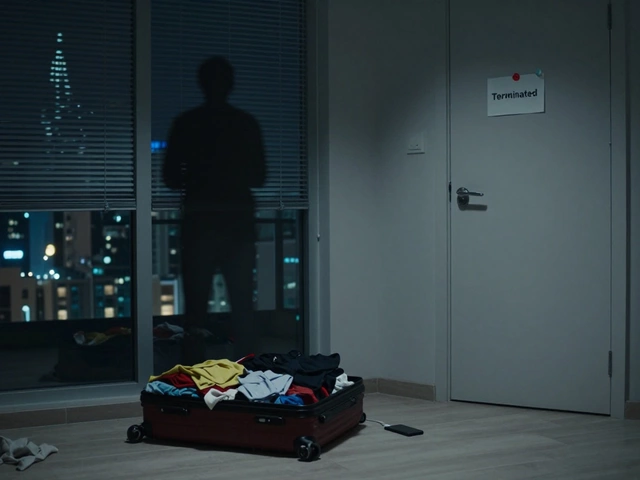
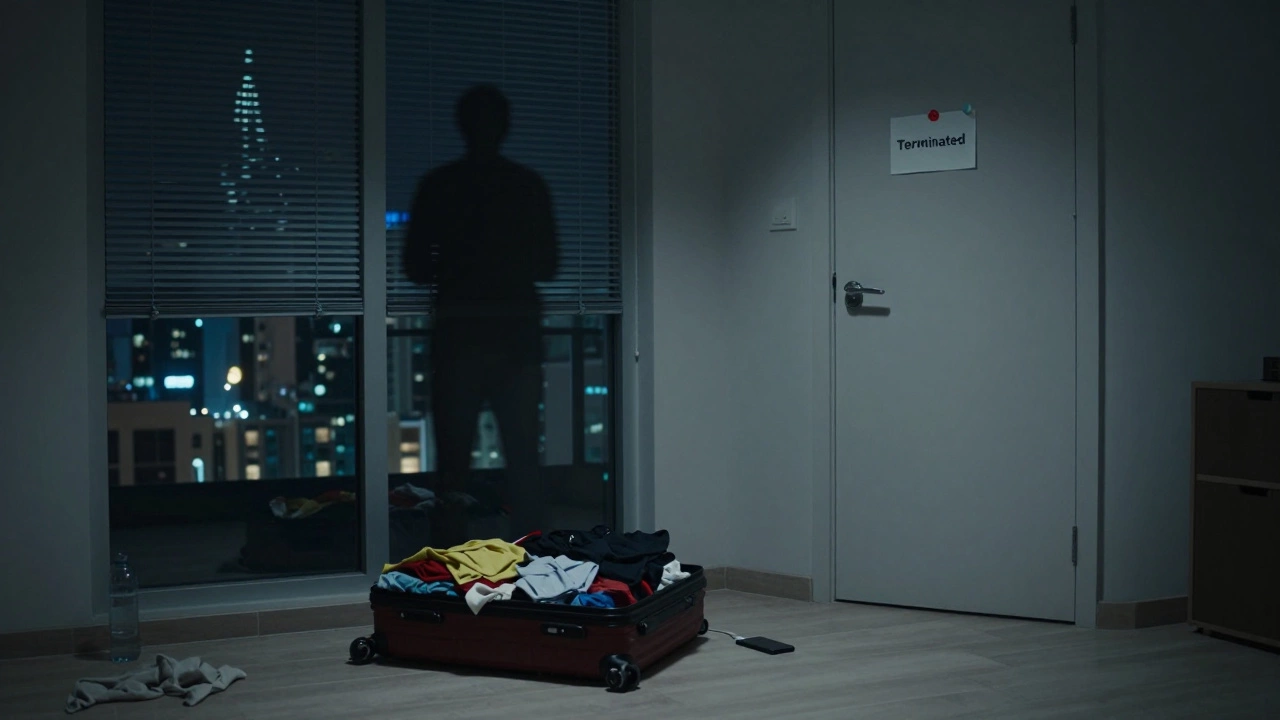
Dubai doesn’t criminalize sex work directly - but it criminalizes everything around it. Soliciting in public? Illegal. Advertising services online? Illegal. Living with someone who works in the industry? Risky. Even if you’re not engaging in sex work yourself, being associated with it can trigger eviction notices or police visits. Landlords don’t need proof. A single anonymous call to the municipality is enough to start an investigation. Many don’t even wait for that. They just change the locks. No notice. No explanation. Just a note taped to the door: “Your tenancy is terminated.”
There’s no legal recourse. Tenancy laws in the UAE protect tenants - but only if you’re considered a “law-abiding resident.” Sex workers aren’t classified as residents. They’re classified as risks. And in a place where reputation is currency, being labeled a risk means you lose everything. Banks freeze accounts. Phone companies cancel lines. Even your children’s school might ask you to withdraw them if your name surfaces in a police report - even if you were never arrested.
Online Platforms Turn Against You
Most rental apps - like Bayut, Property Finder, or Dubizzle - don’t have explicit policies banning sex workers. But their algorithms do. They scan profiles for keywords. They cross-reference phone numbers with known addresses flagged by neighbors. They track payment patterns. If you’ve ever paid for a service linked to escort work - even once - your profile gets flagged. You won’t see a notification. You won’t get an email. You’ll just find that your listings disappear. Your messages go unanswered. Your saved searches return zero results.
Some try to work around it by using friends’ names, fake IDs, or offshore bank accounts. But that’s not sustainable. One woman in Jumeirah spent six months trying to rent a studio under her sister’s name. When the landlord found out - through a WhatsApp message sent to the wrong number - he called the police. She lost her deposit. Her sister lost her job. And the apartment? Rented to someone else the next day.
The Role of Social Isolation
It’s not just about housing. It’s about community. Most sex workers don’t have family nearby. Many moved to Dubai from other countries, hoping for opportunity. But without a support network, they’re invisible. No one vouches for them. No one signs a lease with them. No one lets them borrow a phone when their service gets cut off. In some cases, they’re forced to live in hotels or short-term apartments where they’re constantly monitored. The staff know who they are. The cleaners know. The security guards know. And they all report.
Some try to build quiet lives - going to the gym, attending language classes, volunteering at NGOs. But even those efforts backfire. A teacher at a community center once reported a student for “suspicious behavior” after noticing she paid cash for a month’s tuition. The student was a sex worker. She was never charged. But she was banned from the center. And her landlord found out the next week.

What Happens When You’re Forced Out
When you lose your home, you don’t just lose a place to sleep. You lose access to healthcare, to mail, to your children’s school records, to your bank account. You become a ghost. And ghosts don’t get help. You can’t apply for emergency housing - you don’t qualify as a “resident.” You can’t call the police if you’re threatened - you’ll be arrested first. You can’t go to a hospital without ID - and if you use a fake one, you risk deportation.
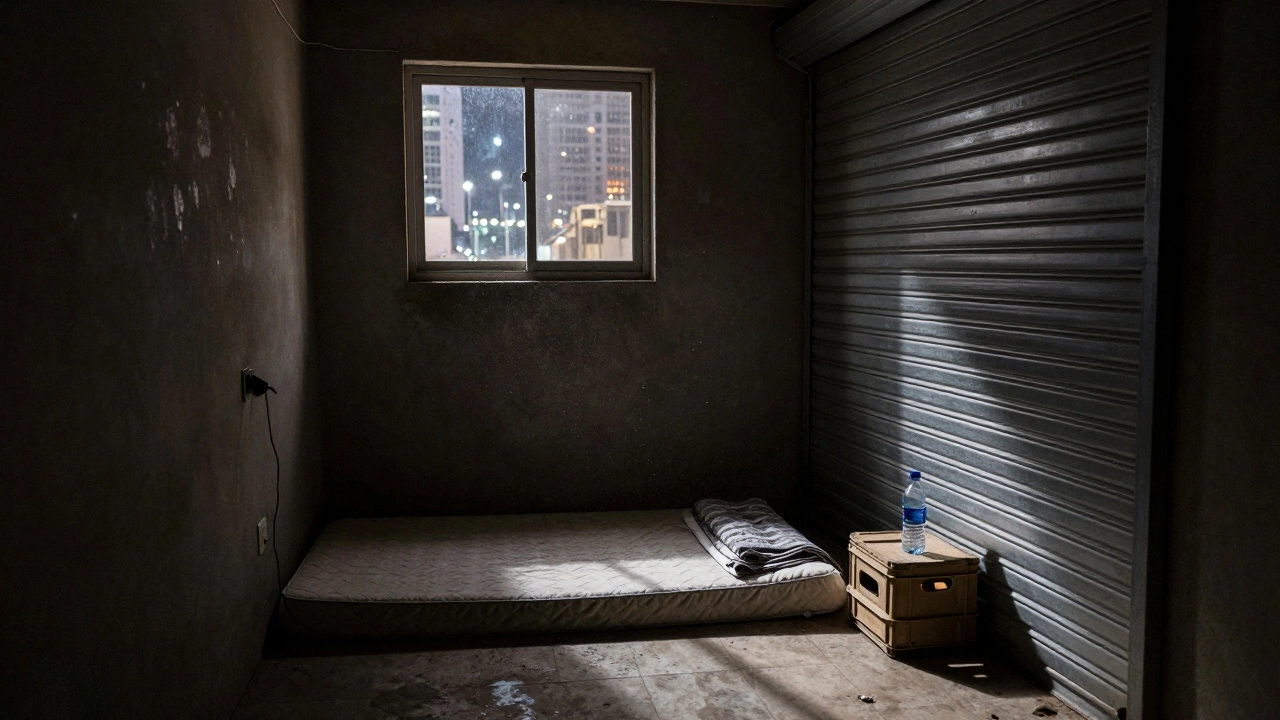
Some end up in shelters run by NGOs - but those are overcrowded, underfunded, and often monitored by immigration officials. Others sleep in cars, in 24-hour convenience stores, or in the back rooms of massage parlors. One woman in Al Quoz told me she lived in a storage unit for nine months. She paid $150 a month in cash. The owner didn’t ask questions. He just wanted his rent on time. She kept a blanket, a phone charger, and a bottle of water. That was her home.
Smash Dubai and the Myth of Choice
There’s a myth that sex workers choose this life freely. That they’re empowered. That they’re entrepreneurs. For some, that’s true. But for most, it’s survival. When you’re undocumented, when you’ve been trafficked, when your options are limited to cleaning houses for $100 a week or selling your body for $200 - the choice isn’t really a choice. And when you try to live like a normal person - pay rent, open a bank account, get a SIM card - the system pushes back harder. That’s why so many turn to underground networks like smash dubai - not because they want to, but because they have no other way to survive. These networks aren’t glamorous. They’re desperate. And they’re often the only thing standing between someone and the street.
The Cost of Visibility
Being seen is dangerous. If you’re a sex worker in Dubai, your name can be found in police databases, in landlord lists, in social media scrapes. Even if you’ve never been arrested, your photo might be in a file labeled “hooker dubai.” That label sticks. It follows you. It blocks you. It follows you when you try to move to Sharjah, to Abu Dhabi, to Oman. Once you’re tagged, you’re tagged forever.
Some try to erase their past. Change their name. Get new documents. Delete every trace. But it rarely works. Digital footprints are permanent. And in a city where surveillance is everywhere - from CCTV to facial recognition - being invisible is the only safety net.
What Can Be Done?
There’s no easy fix. But change starts with recognizing that housing is a human right - not a reward for good behavior. Advocates are pushing for policy changes that separate immigration status from housing eligibility. Some are creating anonymous housing cooperatives where tenants use code names. Others are training landlords to ignore background checks that flag “suspicious” occupations. It’s slow. It’s risky. But it’s happening.
Until then, the most dangerous thing a sex worker can do is ask for help. Because asking means being seen. And being seen means being targeted.